Analysis and Quality Control Laboratory
The laboratory at Transformación Puebla, S.A. de C.V. is the technical core that underpins the quality of every aluminum alloy we produce at our San Pedro Cholula, Puebla plant. Equipped with specialized analytical instrumentation, our laboratory operates under the standards of our ISO 9001:2015 certified quality management system, providing reliable, traceable, and timely results that enable real-time decision-making during the melting process.
We have three complementary analytical capabilities that, together, cover the fundamental aspects of molten aluminum quality: chemical composition, physical metal cleanliness, and radiological safety of the material. Each of these capabilities addresses a specific need of our customers and applicable regulations, and together they form a comprehensive verification system that goes beyond what most foundries in Mexico offer.
Below, we present in detail each of the three capabilities of our laboratory, the technology we employ, the standards we follow, and the value they add to the quality of the product you receive.
ARL Spark Emission Spectrometer
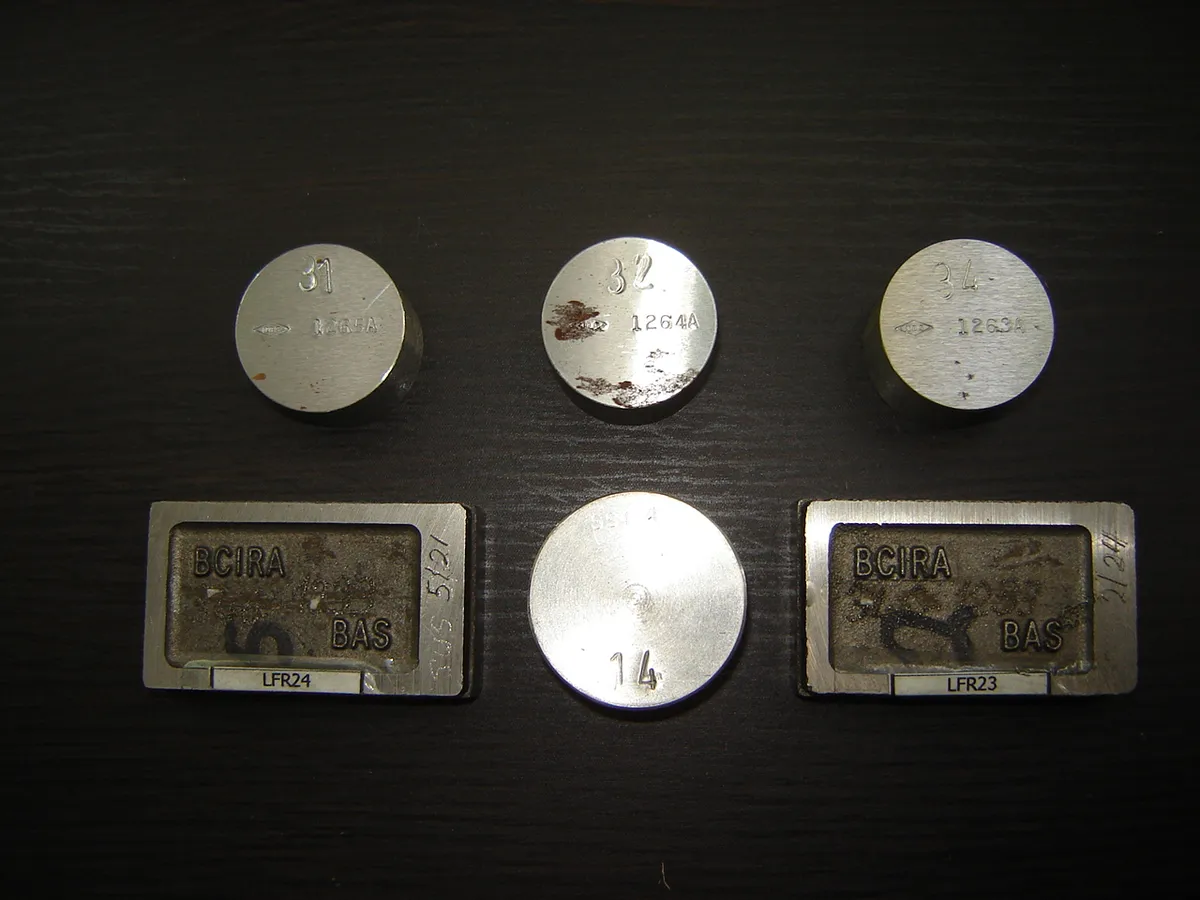
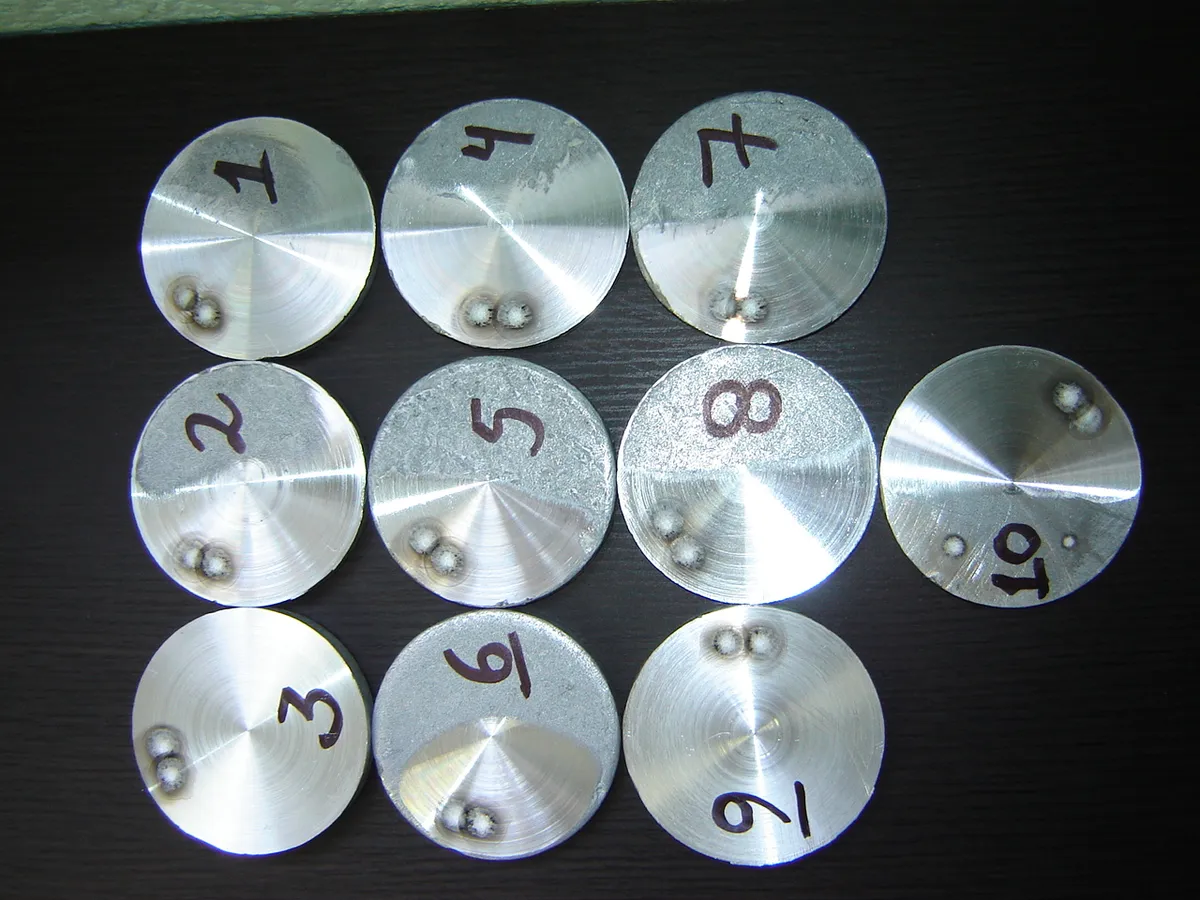
Spark optical emission spectroscopy (spark-OES) is the world reference analytical method for determining the chemical composition of metals and alloys. Our Thermo Scientific ARL 3460 spectrometer employs this technology to analyze solid aluminum samples rapidly, accurately, and non-destructively (except for the small spark mark on the sample).
The operating principle is elegant and powerful: a controlled high-energy electrical discharge (the spark) is generated between an electrode and the aluminum sample surface. This spark vaporizes a microscopic amount of material and ionizes the atoms present, creating a localized plasma. The excited atoms in the plasma emit photons at specific wavelengths unique to each chemical element — silicon emits at certain wavelengths, copper at others, magnesium at still others. A high-resolution optical system with diffraction grating separates these emissions and directs them to individual detectors that measure the intensity of each signal. Using calibration curves established with certified reference materials (CRMs), the intensities are converted into percentage concentrations for each element.
Our ARL 3460 is configured to simultaneously analyze more than 20 elements, allowing us to obtain a complete compositional profile of the alloy in a matter of seconds. This speed is critical in a foundry operation where liquid metal is waiting in the furnace and adjustment decisions must be made quickly. During each heat, we perform multiple analyses: preliminary after melting, intermediate after each alloying addition, and final approval before pouring. Only when the final analysis confirms that all elements are within the ranges specified by the customer is the metal pour authorized.
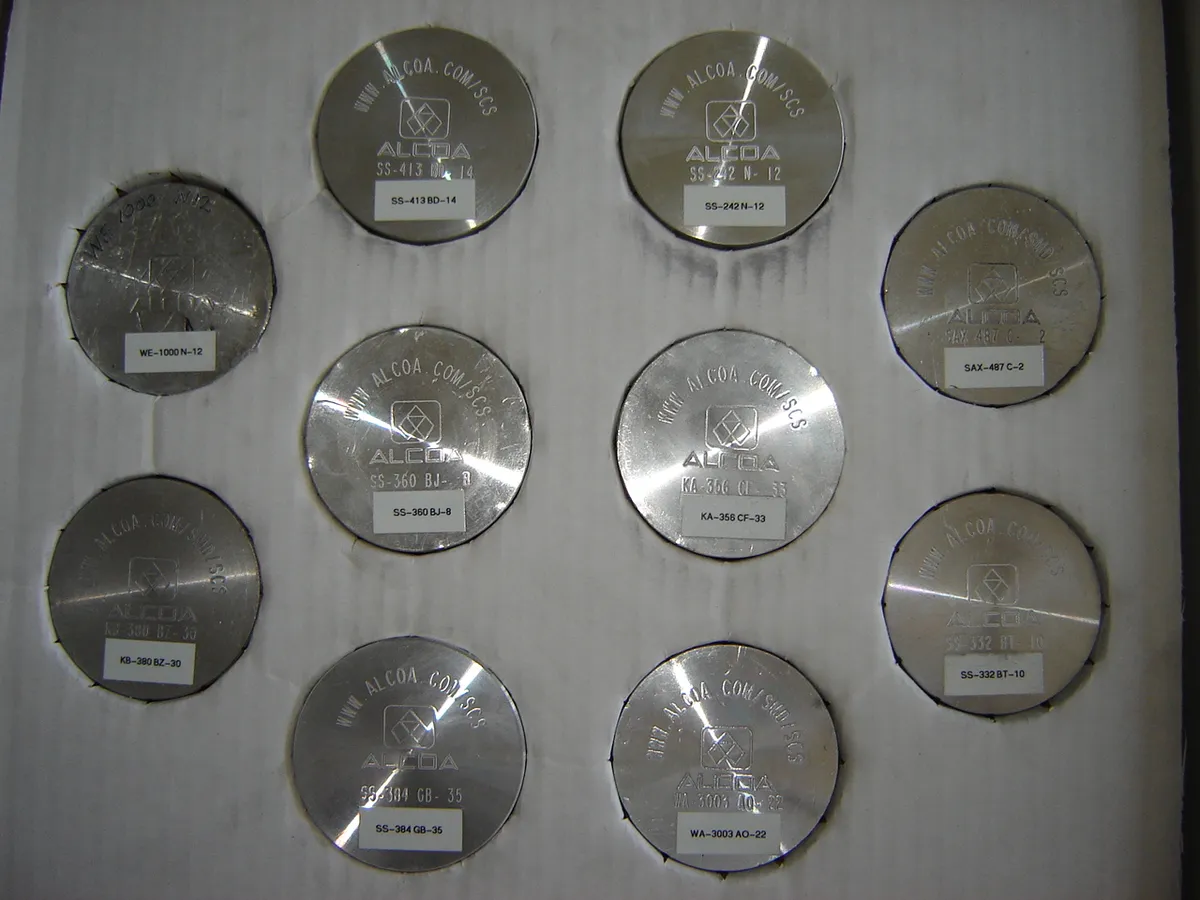
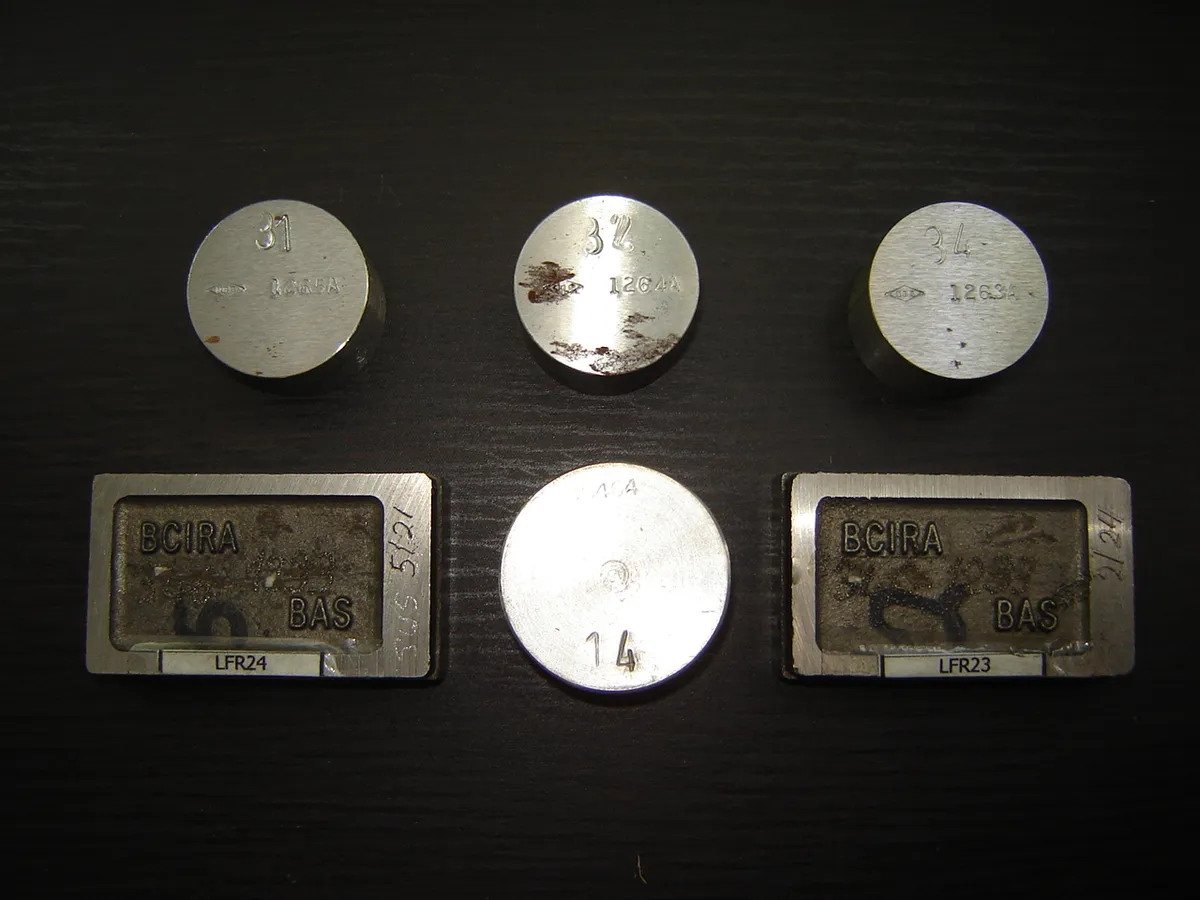
The calibration and verification protocol follows the guidelines of ASTM E716 (Standard Practices for Sampling and Sample Preparation of Aluminum and Aluminum Alloys for Determination of Chemical Composition by Spark Atomic Emission Spectrometry). Certified reference materials come from internationally recognized suppliers, and the equipment performance is verified daily with control samples before the start of production operations.
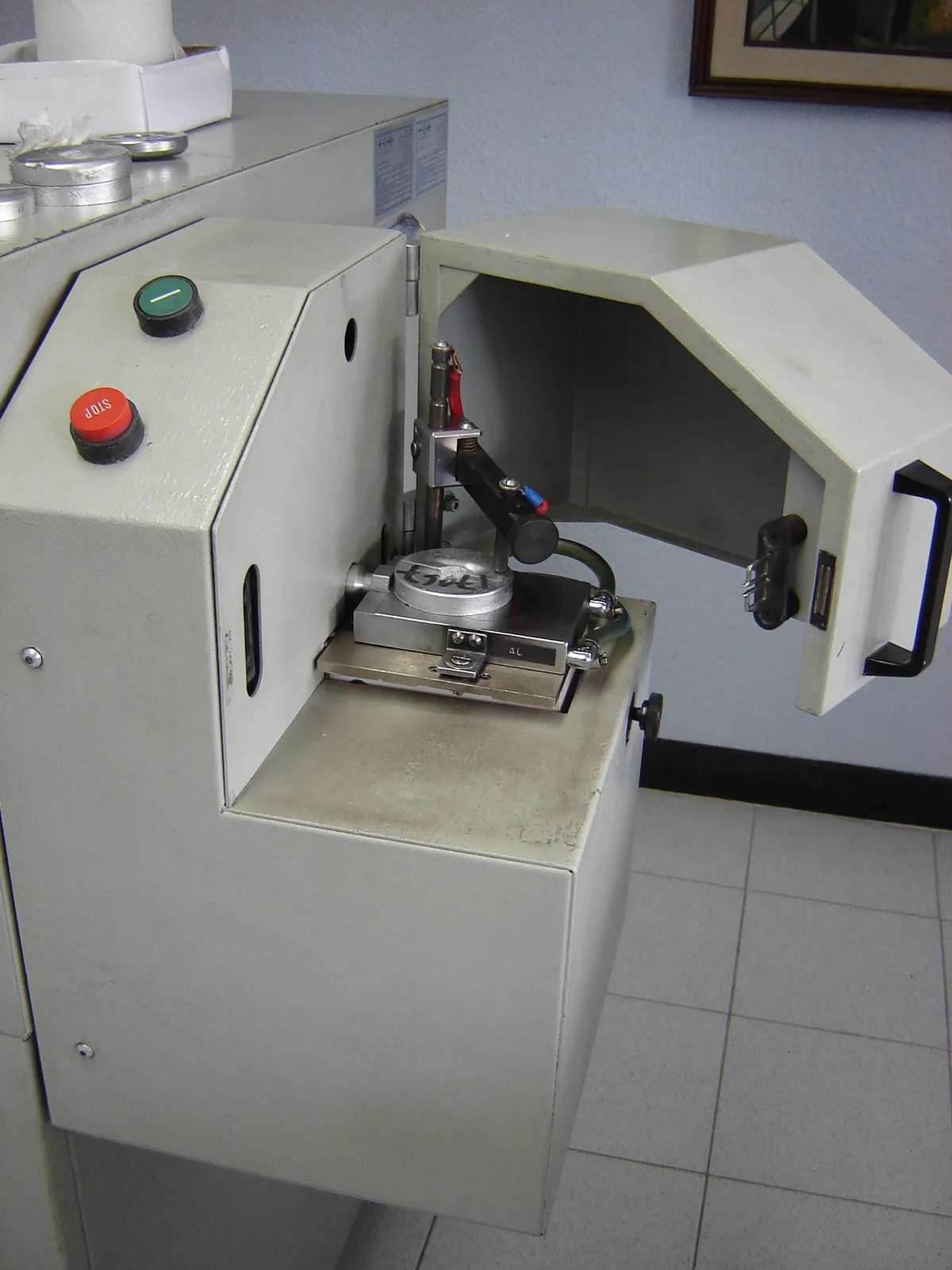
- Technology: Spark optical emission spectroscopy (spark-OES)
- Model: Thermo Scientific ARL 3460
- Elements analyzed: 20+ simultaneously (Si, Fe, Cu, Mn, Mg, Zn, Ti, Ni, Sn, Pb, Cr, Sr, Na, Ca, B, V, Be, Bi, Ga, Li and more)
- Reference standard: ASTM E716
- Calibration: International certified reference materials (CRMs)
- Verification: Daily with control samples
- Frequency per heat: Multiple analyses (preliminary, intermediate, final)
- Precision: Hundredths of a percent for main elements
- Analysis time: Seconds per determination
K-Mold Testing for Inclusion Detection
Correct chemical composition is necessary but not sufficient to guarantee the quality of molten aluminum. A metal can have the perfect composition according to the spectrometer and yet contain non-metallic inclusions — solid particles of aluminum oxide (Al₂O₃), refractory fragments, flux residues, and other microscopic impurities — that would compromise the integrity of the final cast parts. To evaluate this dimension of quality, we employ K-Mold testing.
The K-Mold method is a standardized technique for assessing the cleanliness of molten aluminum. It involves pouring a sample of liquid metal into a specially designed mold (the K-Mold) that produces a test piece with defined geometry. Once solidified, the piece is fractured in a controlled manner and the fracture surfaces are visually examined to identify, count, and classify the inclusions present. Inclusions are evaluated according to a grading scale ranging from K0 (very clean metal, virtually free of visible inclusions) to higher grades indicating increasing levels of contamination.
This test is particularly valuable for our automotive and precision casting customers, where inclusions can cause defects such as localized porosity, hard spots that damage machining tools, leaks in parts requiring pressure tightness, and reduction of mechanical properties — especially elongation and fatigue resistance. The K-Mold result complements the spectrometer information: while the ARL 3460 verifies what the aluminum contains at the elemental level, K-Mold testing verifies how clean the metal is at the solid particle level.
We perform K-Mold tests as part of our quality control protocol, and results can be included in the documentation accompanying each batch when the customer requests it. For customers with specific metal cleanliness requirements, we establish acceptance criteria based on the K-Mold scale and reject any heat that does not meet the agreed level.
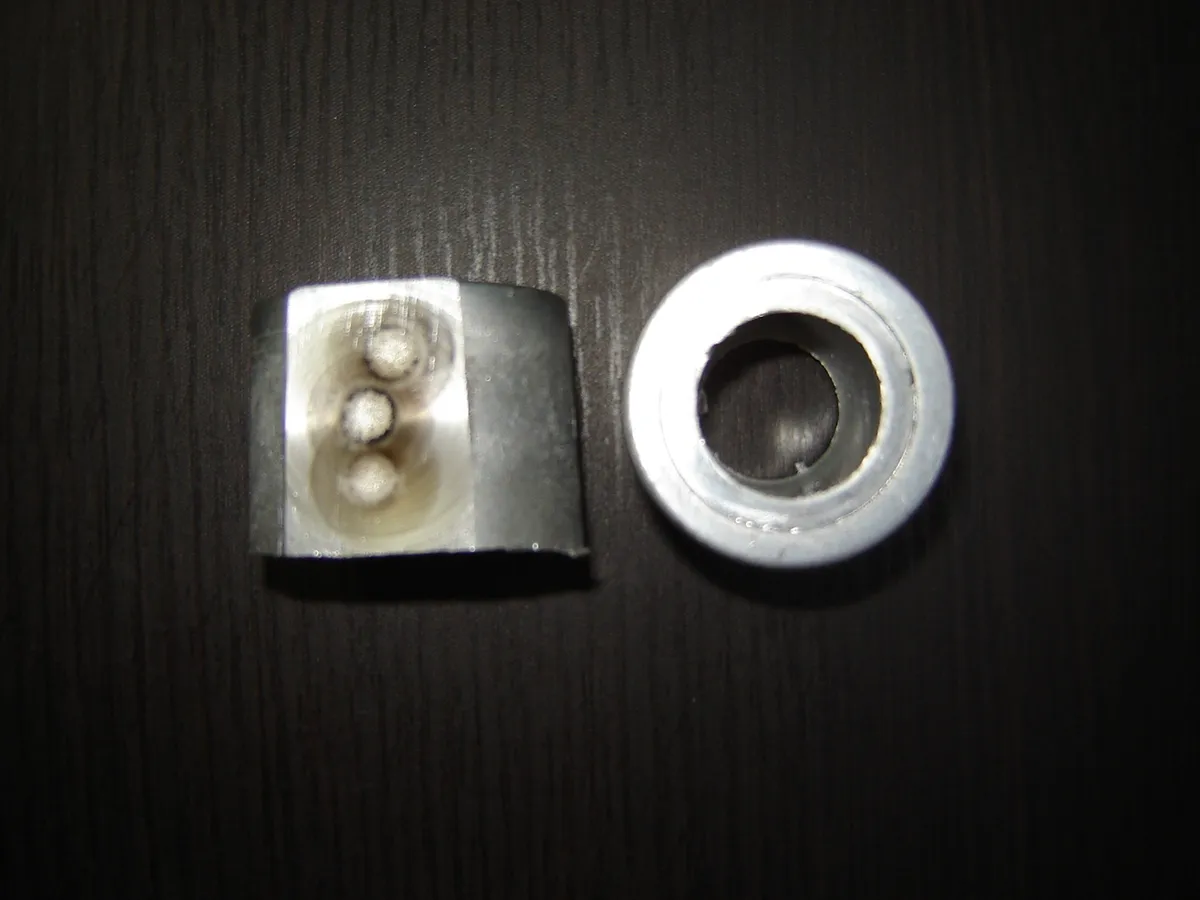
- Method: Standardized K-Mold test
- Principle: Controlled fracture and visual inclusion examination
- Evaluation scale: K0 (very clean) to higher grades
- Inclusions detected: Aluminum oxides, refractory, flux residues
- Application: Verification of molten metal cleanliness
- Spectrometer complement: Physical quality vs. chemical composition
- Acceptance criteria: Defined per customer requirement
- Documentation: Results available in batch certificate
Radioactivity Testing
Radioactivity detection in metallic materials is a safety requirement that has gained increasing importance in global supply chains, particularly under European regulations and automotive industry requirements. At Transformación Puebla, we perform radioactivity measurement on raw materials at the time of receiving and on finished product before dispatch, ensuring that the aluminum we deliver is free from radiological contamination.
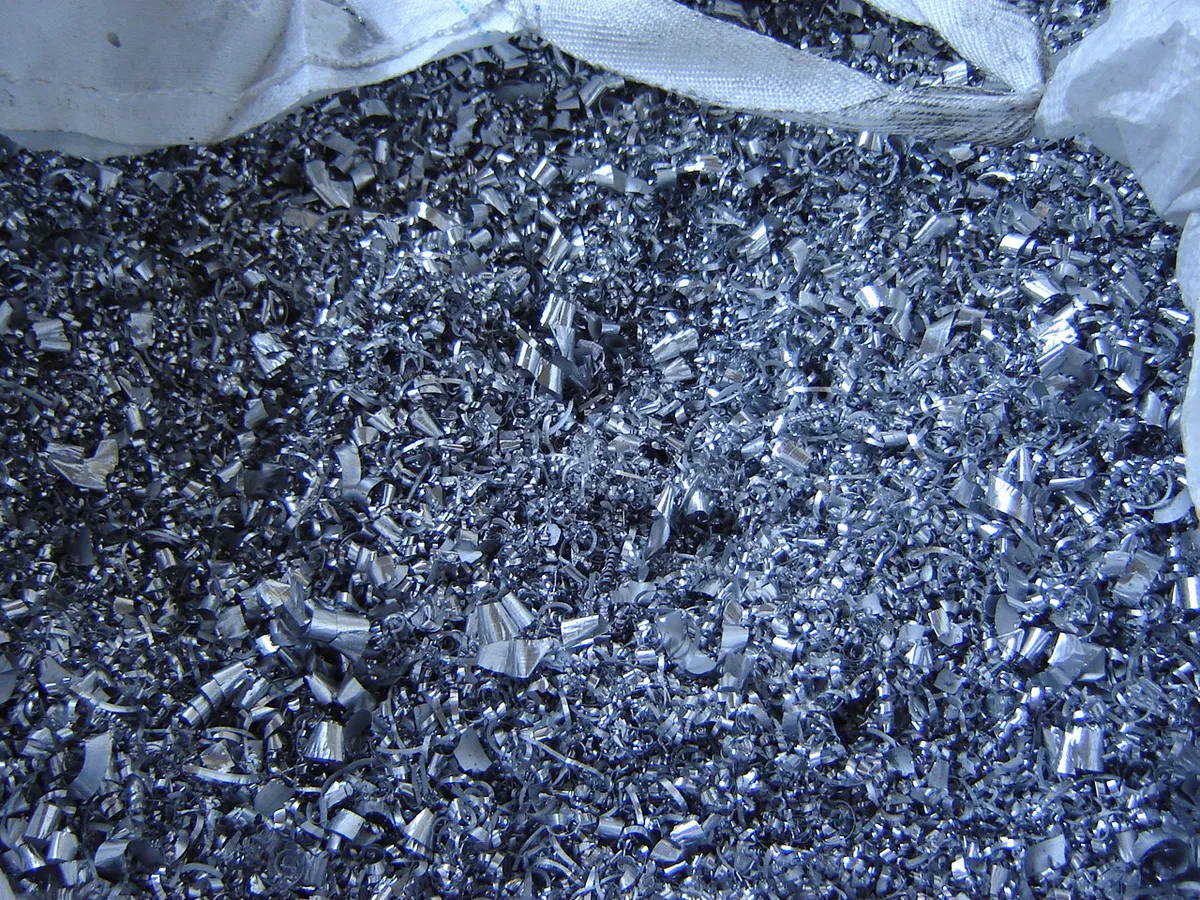
The need for this control arises from a real risk in the metal recycling industry: there is the possibility, although remote, that abandoned or improperly disposed radioactive sources may mix with scrap metal and enter the recycled materials stream. Documented incidents in various countries have demonstrated that, without adequate controls, materials contaminated with cesium-137 (Cs-137), cobalt-60 (Co-60), or other isotopes can reach foundries and become incorporated into finished products. European regulations, particularly radiological safety directives applicable to imported products, require that metal suppliers demonstrate that their products are free from radioactive contamination.
Our radioactivity detection protocol uses Geiger-Muller counters — proven and reliable ionizing radiation detectors — that measure gamma and beta radiation levels in the material. Every load of raw material entering our plant is inspected with the detector before being accepted for processing. Any material that presents readings above natural background levels is immediately rejected and segregated according to safety protocols. Additionally, the finished product is measured again before the quality certificate is issued, providing a double verification that forms an integral part of the documentation we deliver with each batch.
For our customers who export parts to Europe or who are part of supply chains with radiological compliance requirements, this control represents a significant differentiating value. Radioactivity measurement is a standard part of our quality certificate at no additional cost.
- Instrument: Geiger-Muller counters
- Radiation type detected: Gamma and beta
- Measurement timing: Raw material receiving and finished product
- Protocol: Double verification (incoming and outgoing)
- Regulations: Compliance with European radiological safety directives
- Rejection criteria: Readings above natural background level
- Documentation: Included in standard quality certificate
- Additional cost: None — included in service
Laboratory Gallery
Frequently Asked Questions
What standard or norm governs your spectrometric analyses of aluminum?
Our spectrometric analyses follow the guidelines of ASTM E716 (Standard Practices for Sampling and Sample Preparation of Aluminum and Aluminum Alloys for Determination of Chemical Composition by Spark Atomic Emission Spectrometry). The ARL 3460 spectrometer is calibrated with certified reference materials (CRMs) from international suppliers and verified daily with control samples to ensure accuracy and traceability of results.
What is K-Mold testing and why is it important for aluminum quality?
K-Mold testing is a standardized method for evaluating the cleanliness of molten aluminum, specifically its level of non-metallic inclusions (oxides, refractory, flux residues). A sample of liquid metal is poured into a special mold, solidified, fractured, and visually examined to count and classify inclusions. It is important because aluminum with correct chemical composition but high inclusion levels can produce parts with porosity, hard spots, and poor mechanical properties.
Why do you measure aluminum radioactivity and is it mandatory?
We measure radioactivity to ensure the aluminum is free from radiological contamination, a real risk in the metal recycling industry where abandoned radioactive sources can mix with scrap. European regulations require this verification for imported metal products, and many automotive customers require it as part of their supplier quality standards. At Transformación Puebla, radioactivity measurement is a standard part of our quality certificate at no additional cost.
Can you perform analyses for external customers or only for internal production?
Our laboratory is primarily designed for quality control of our internal production, which allows us to offer multiple analyses per heat in real time. However, for customers who purchase our products, we provide all necessary analytical documentation, including chemical analysis certificates, K-Mold results, and radioactivity measurements. Contact us to discuss your specific documentation needs.